EN
EN


Custom gift boxes turn simple transactions into lasting brand memories that build customer loyalty and boost sales. Think about it: around 74 percent of Americans actually let packaging influence their buying choices, and roughly 83% consider fancy packaging when thinking about gifts. These numbers show packaging isn't just an expense but something that drives real money into businesses. Generic boxes just don't cut it anymore. Custom made ones scream exclusivity and can make products seem worth 30% more to customers. What really matters are those physical details people notice when they handle the box. Embossed logos, colors that match the brand's vibe, and materials chosen carefully for texture all work together to create that brand connection. Recycled kraft paper works great for companies focused on sustainability efforts. The act of opening these special packages tends to get shared online too, which means free marketing for the company. Another big plus? Boxes designed specifically for the product cut down on returns by about 22%, since items arrive intact after shipping. For businesses selling to other businesses, branded gifts matter a lot. Corporate clients tend to come back for more business if what arrives matches their values. Investing in good quality custom boxes creates both emotional connections and practical benefits, leading to more repeat business, cheaper customer acquisition, and fewer problems after purchase.
When it comes to top-tier customers, good visual design leans heavily on minimalist looks to convey real sophistication. Think metallic foil touches against matte black backgrounds or elegant ivory surfaces. The color choices are deliberately limited too - champagne tones, deep charcoal shades, maybe even a touch of slate blue here and there. These subtle combinations speak volumes about exclusivity without shouting it from the rooftops. What makes this work so well is how it cuts out all the unnecessary visual clutter and focuses instead on those premium textures people can actually feel, like the smoothness of a soft-touch lamination. According to recent market studies, around two thirds of folks shopping for luxury items automatically link simple packaging designs with better product quality. That's why many upscale brands stick with this approach when creating gift items worth their weight in gold.
People who care about sustainability tend to gravitate toward packaging made from unbleached kraft combined with natural textures such as linen or seed paper options. Colors inspired by nature like sage green, warm terracotta, and golden ochre really drive home those earthy vibes. Clean fonts that are easy on the eyes help showcase where materials come from and what kind of certifications they have. According to last year's Packaging Sustainability Report, around three quarters of people buying eco-friendly products look for packaging that clearly shows its green credentials these days. That means showing what's inside matters a lot when designing sustainable packages. Symbols indicating recycled content or biodegradable properties instantly create trust among consumers without needing much explanation at all.
The younger crowd wants to feel something when they interact with products these days. They're drawn to bold visual contrasts like neon colors popping against matte black backgrounds, plus all sorts of interactive stuff built right into the design. Some packages have QR codes hidden within their patterns that lead to cool digital stories - think factory tours, custom greetings from brands, even augmented reality experiences that pop up on phones. The mix of materials matters too. Glossy stickers layered over soft felt inserts create this amazing tactile experience when someone opens the package for the first time. We've seen stats showing around 8 out of 10 Gen Z folks post pictures of these interactive packages online after opening them. These little moments become big sharing opportunities almost automatically. And let's face it, those fancy boxes aren't just there to keep things safe anymore. They've become collectibles in their own right, something people want to show off to friends and family.
Choosing the correct substrate involves looking at how it affects the environment, how well it works in production, and what customers think about it. Kraft paper made from recycled materials has good green credentials and saves money too, but some companies find its rough feel doesn't fit with their premium image. Matte finishes create clean, non-shiny surfaces that work great for brands going for a simple look. High gloss coatings reflect light and give off a sense of luxury. According to recent market research, around 7 out of 10 consumers see products with both matte and glossy areas as high quality items, even though these materials can cost 15 to 30 percent more. The good news is that FSC certified paperboard is just as durable as regular stuff now and cuts down on waste going to landfills by about 40%. This shows businesses don't have to sacrifice quality when they go green.
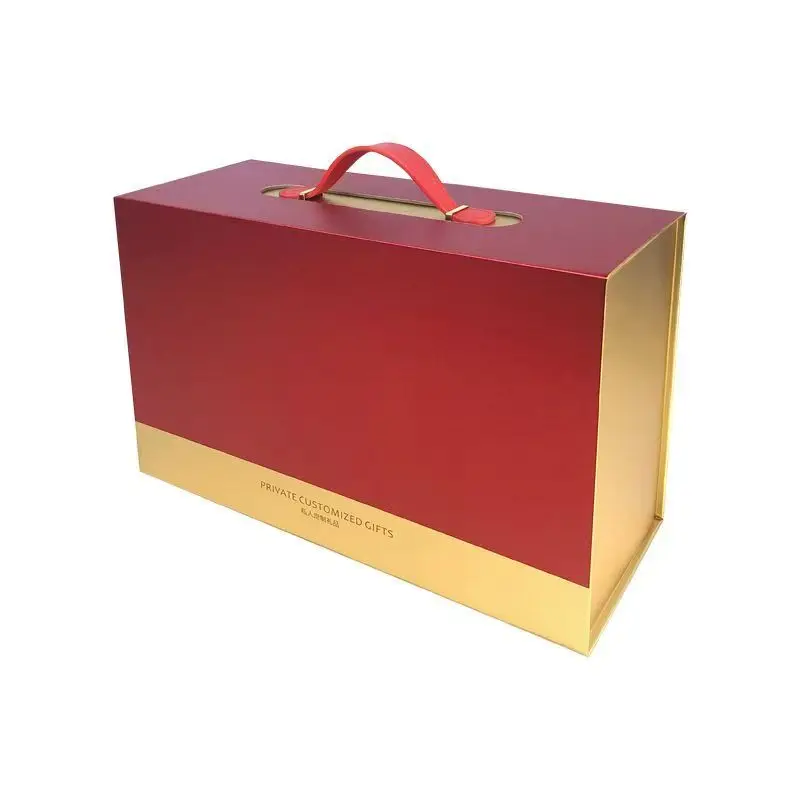
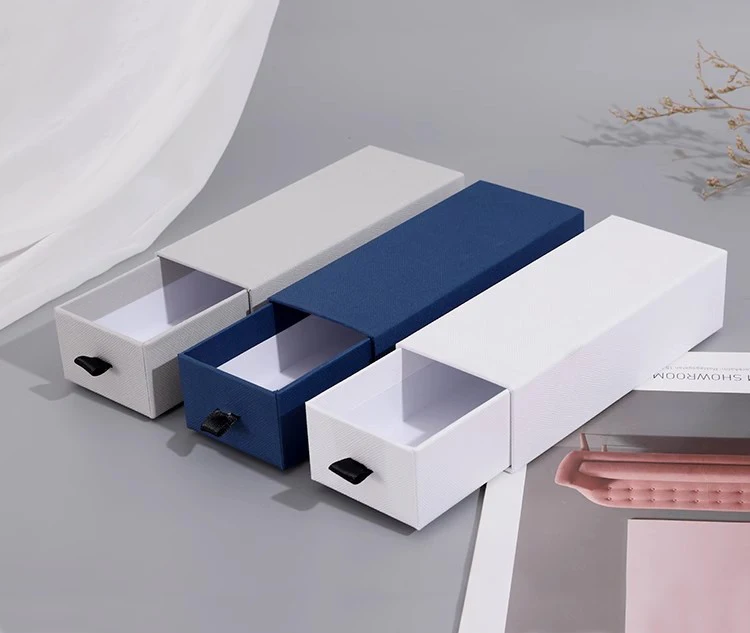
The way we design packaging affects not only how well it protects products but also how customers feel when they open it. Rigid boxes constructed using 2 to 3 mm greyboard cores stand out for their durability during transport while giving off an air of luxury. These are great choices for expensive goods such as fine jewelry pieces or delicate electronic gadgets. Then there's the telescope style box where the lid separates from the base, creating those exciting layer-by-layer reveals that work wonders for monthly subscription boxes or special edition product sets. Tuck top closures remain popular for bulk gift orders because they maintain visual consistency across multiple units despite being easier to manufacture at scale. According to recent market research published last year, consumers actually perceive products packaged in rigid containers as worth around 65 percent more compared to similar items in tuck top packaging. When dealing with breakable merchandise, don't forget about adding protective elements inside the box too. Foam padding helps prevent damage, while strategically placed ribbons create memorable moments throughout the unboxing experience that brands love to showcase on social media platforms these days.
Tactile finishes transform customized gift boxes into emotional conduits: 78% of consumers report heightened brand connection when packaging engages multiple senses (Material Engagement Index 2023).
| Combination | Psychological Impact | Brand Alignment |
|---|---|---|
| Sage + kraft | Calmness, eco-conscious integrity | Sustainable positioning |
| Crimson + foil | Urgency, premium indulgence | Luxury aspiration |
Thermochromic inks and scent-infused materials represent emerging frontiers—packaging that physically responds to temperature or releases signature fragrances during unboxing. This multisensory orchestration converts routine openings into dopamine-driven rituals that deepen recall and affinity.
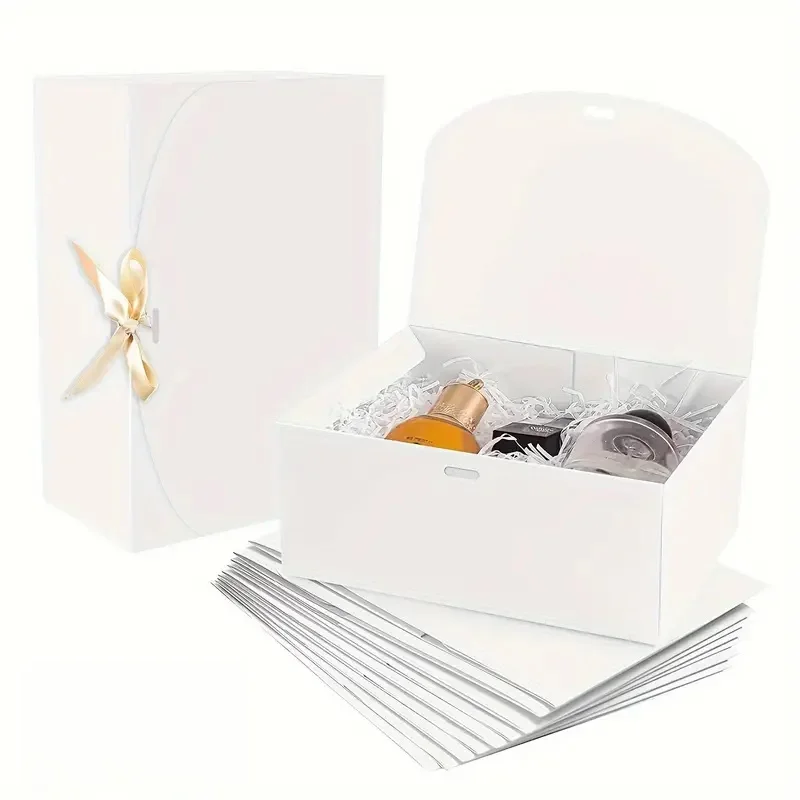
Foam inserts made with exacting standards hold fragile stuff in place with just under a millimeter of give or take. This setup cuts down on damaged goods complaints by around one third according to Packaging Insights from last year. The foam also creates these little display spots that look almost like museum cases for products. Then there are those cutout cardboard bases that help arrange things visually, putting the main gift front and center while secondary items sit quietly behind. When someone opens the box, their eyes follow this path we've created, making them spend about 23 extra seconds looking at everything. That might not sound like much, but in high-end packaging worlds, those few extra moments matter a lot because waiting builds up feelings of excitement and connection with what they're receiving.
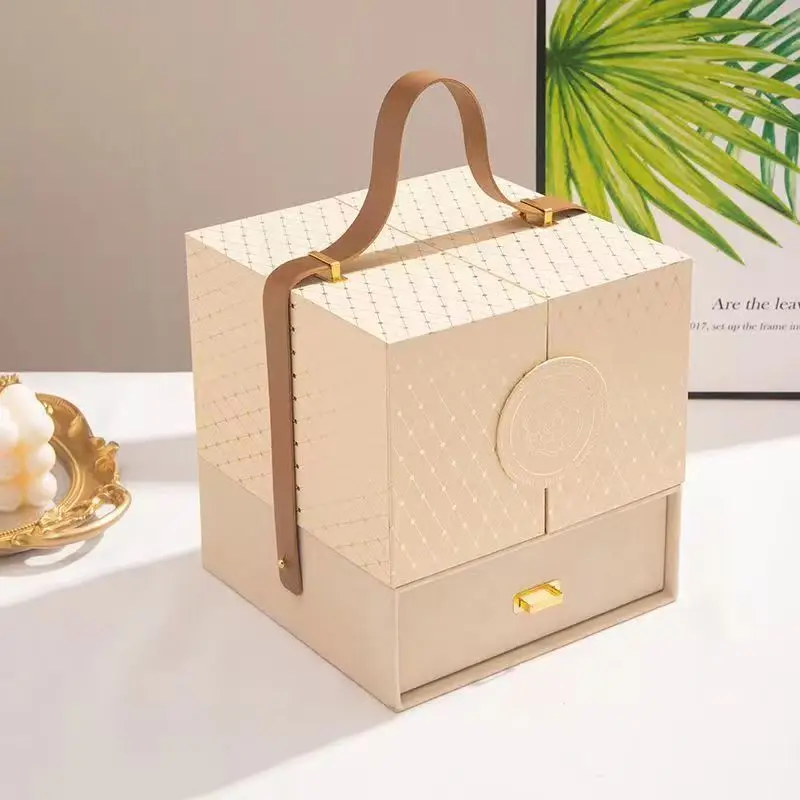
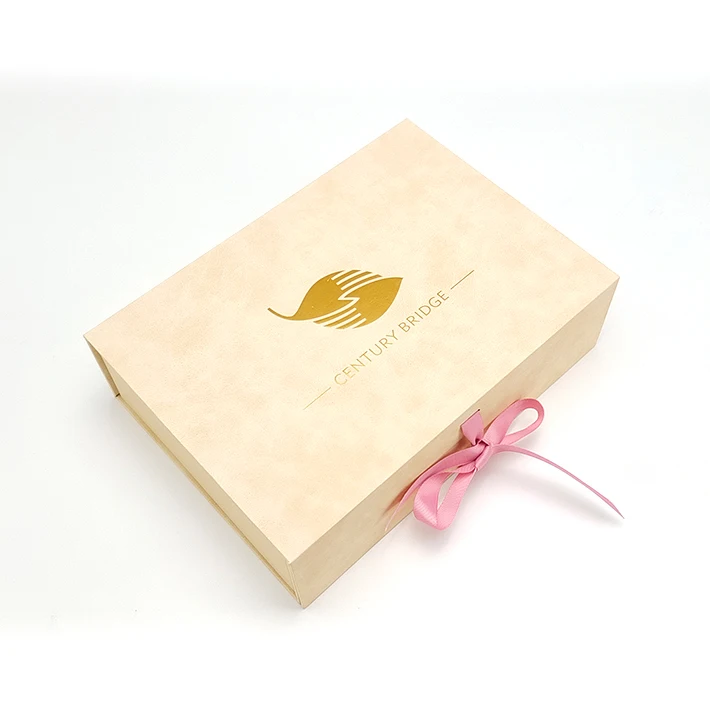
When embellishments are designed with actual function in mind, they go beyond mere decoration. Take magnetic closures for instance they offer a quiet luxury feeling and protect against dust better than regular tuck flaps by around 15%, according to Material Science Digest from last year. Velvet ribbons attached to packaging actually make boxes get reused much more often about 64% more frequently per the Gift Retention Study published recently. Then there's those die-cut windows that line up perfectly with what's inside the package. They do two things at once help shoppers feel confident about their purchase decisions and cut down on all that extra wrapping paper waste. The result? Packages with these touch points tend to generate about half again as much social media attention compared to standard designs. People just seem to notice them more sitting on store shelves and associate them with better quality even before they open them up.
 Hot News